His Adult Pics
Apod adult pics
Astronomy Picture Of The Day - January 27, 2014Source: From The Northern To The Southern Crossphotographer: Nicholas Buer
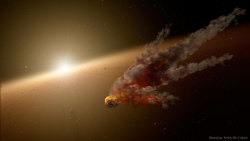
Fyeahastropics: Unexplained Dimmings In Kic 8462852(Via Apod; Illustration Credit: Nasa, Jpl-Caltech ) Why Does Star Kic 8462852 Keep Wavering? Nobody Knows. A Star Somewhat Similar To Our Sun, Kic 8462852 Was One Of Many Distant Stars Being
Via Apod.nasa.gov Something Cosmic On Valentine&Amp;Rsquo;S Day (Et) The Sun Unleashed One Of Its Most Powerful Explosions, An X-Class Flare. The Blast Was The Largest So Far In The New Solar Cycle. Erupting From Active Region Ar1158 In The Sun&Amp;Rsquo;S
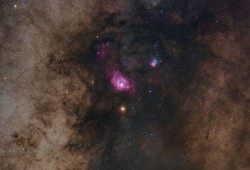
Schmidt-Cassegrain: Lagoon Nebula (Pink), Mars (Orange, Underneath), And Trifid Nebula (Blue/Pink, To The Right), Nasa Apod, 25 December 2014. Click Here For Pretty 13Mb Resolution Version.
Astrowhat: Apod: 10 Years Of The Perseid Meteor Shower.
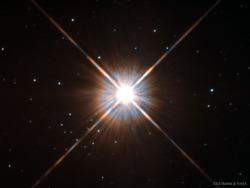
Traverse-Our-Universe:proxima Centauri, The Closest Star To Our Very Own Sun, Is Nestled In The Alpha Centauri Star System. Read More At Apod/Nasa; Credit: Esa/Hubble &Amp;Amp; Nasa
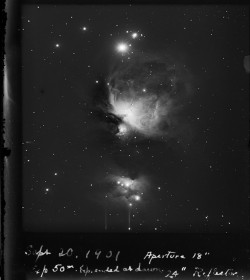
Wonders-Of-The-Cosmos: 1901 Photograph: The Orion Nebula (Apod)
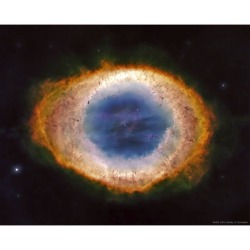
M57: The Ring Nebula Except For The Rings Of Saturn, The Ring Nebula (M57) Is Probably The Most Famous Celestial Band. Its Classic Appearance Is Understood To Be Due To Our Own Perspective, Though. The Recent Mapping Of The Expanding Nebula'S 3-D
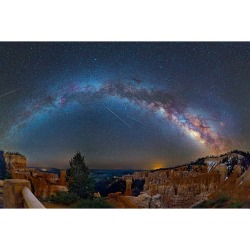
Meteors, Planes, And A Galaxy Over Bryce Canyon Image Credit &Amp;Amp; Copyright: Dave Lane Explanation: Sometimes Land And Sky Are Both Busy And Beautiful. The Landscape Pictured In The Foreground Encompasses Bryce Canyon In Utah, Usa, Famous For Its
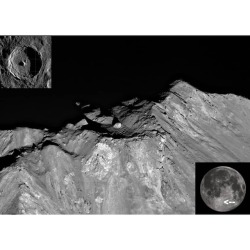
The Unusual Boulder At Tycho&Amp;Rsquo;S Peak Main Image Credit: Nasa, Arizona State U., Lro; Upper Inset: Nasa, Arizona State U., Lro; Lower Inset: Gregory H. Revera Explanation: Why Is There A Large Boulder Near The Center Of Tycho&Amp;Rsquo;S Peak? Tycho
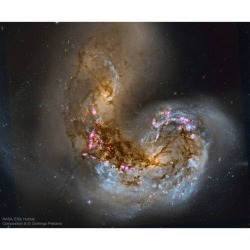
Spiral Galaxy Ngc 4038 In Collision Image Credit: Nasa, Esa, Hubble, Hla; Processing &Amp;Amp; Copyright: Domingo Pestana Explanation: This Galaxy Is Having A Bad Millennium. In Fact, The Past 100 Million Years Haven&Amp;Rsquo;T Been So Good, And Probably The
Mars Approach Image Credit &Amp;Amp; Copyright: Damian Peach Explanation: Since The Distance From Earth To Mars Changes Drastically As The Planets Orbit The Sun, Mars&Amp;Rsquo; Appearance Changes Dramaticaly. Mars Is Bright Now, And It&Amp;Rsquo;S Getting Closer
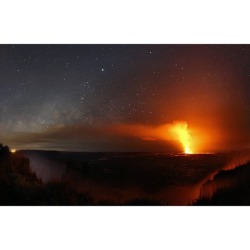
Jupiter Season, Hawaiian Sky Image Credit &Amp;Amp; Copyright: Tunç Tezel (Twan) Explanation: Volcanic Activity On The Big Island Of Hawaii Has Increased Since This Hawaiian Night Skyscape Was Recorded Earlier This Year. Recent Vents And Lava Flows Are
Pillars Of The Eagle Nebula In Infrared Image Credit: Nasa, Esa, Hubble, Hla; Processing: Lluís Romero Explanation: Newborn Stars Are Forming In The Eagle Nebula. Gravitationally Contracting In Pillars Of Dense Gas And Dust, The Intense Radiation
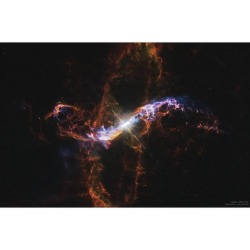
Symbiotic R Aquarii Image Credit: Hubble, Nasa, Esa; Processing &Amp;Amp; License: Judy Schmidt Explanation: You Can See It Change In Brightness With Just Binoculars Over The Course Of A Year. Variable Star R Aquarii Is Actually An Interacting Binary Star
Astrowhat: Apod: 10 Years Of The Perseid Meteor Shower.
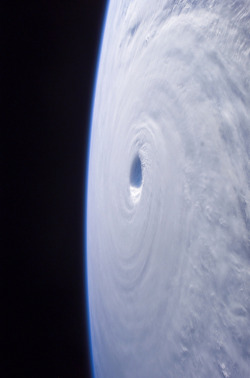
The-Science-Llama: Hurricanes/Typhoons Viewed From Space Typhoon Nabi - September 3, 2005 Hurricane Emily - July 17, 2005 Hurricane Dean - August 18, 2007 Hurricane Ivan (Apod)- September 11, 2004 Hurricane Emilia - July 2012 Typhoon Yuri - November
Astrowhat: Apod: 10 Years Of The Perseid Meteor Shower.
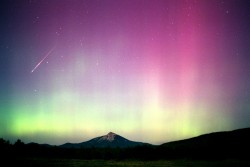
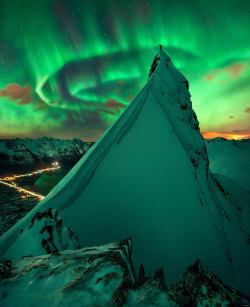
Humanoidhistory: Man, Mountain, And Aurora — The Aurora Borealis Over The Summit Of The Austnesfjorden Fjord Close To The Town Of Svolvear On The Lofoten Islands In Northern Norway. Photo By Max Rive. (Nasa/Apod)
The-Science-Llama: Hurricanes/Typhoons Viewed From Space Typhoon Nabi - September 3, 2005 Hurricane Emily - July 17, 2005 Hurricane Dean - August 18, 2007 Hurricane Ivan (Apod)- September 11, 2004 Hurricane Emilia - July 2012 Typhoon Yuri - November
Humanoidhistory: See That Little Black Dot On The Left? That’s Planet Mercury In Transit Across The Face Of Our Humongous Sun. Observed By Howard Brown-Greaves. Via Nasa/Apod.
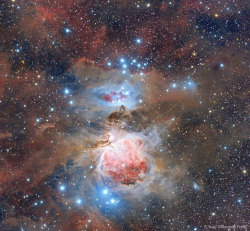
Fyeahastropics: Dust Of The Orion Nebula(Via Apod; Image Credit &Amp;Amp; Copyright: Raul Villaverde Fraile ) What Surrounds A Hotbed Of Star Formation? In The Case Of The Orion Nebula – Dust. The Entire Orion Field, Located About 1600 Light
Fyeahastropics: The California Nebula(Via Apod; Image Credit &Amp;Amp; Copyright: Farmakopoulos Antonis ) What’s California Doing In Space? Drifting Through The Orion Arm Of The Spiral Milky Way Galaxy, This Cosmic Cloud By Chance Echoes The
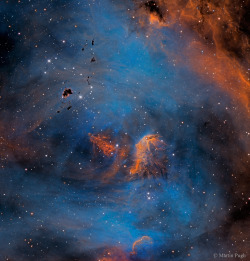
Fyeahastropics: Stars And Globules In The Running Chicken Nebula(Via Apod; Image Credit &Amp;Amp; Copyright: Martin Pugh ) The Eggs From This Gigantic Chicken May Form Into Stars. The Featured Emission Nebula, Shown In Scientifically Assigned Colors,
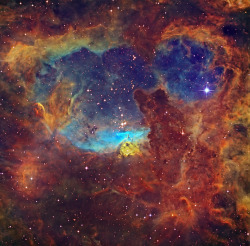
Fyeahastropics: Massive Stars In Ngc 6357(Via Apod; Image Credit &Amp;Amp; Copyright: Chart32 Team, Processing - Johannes Schedler ) Massive Stars Lie Within Ngc 6357, An Expansive Emission Nebula Complex Some 6,500 Light-Years Away Toward The Tail
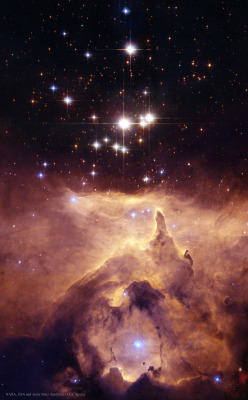
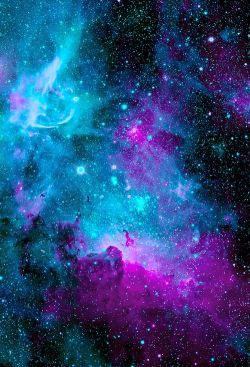
Fyeahastropics: Ngc 6357: Cathedral To Massive Stars(Via Apod; Image Credit: Nasa, Esa And Jesús Maíz Apellániz (Iaa, Spain); Acknowledgement: Davide De Martin (Esa/Hubble) ) How Massive Can A Normal Star Be? Estimates Made From Distance,
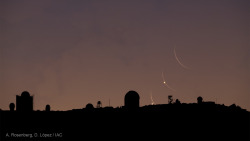
Fyeahastropics: Full Venus And Crescent Moon Rise(Via Apod; Image Credit &Amp;Amp; Copyright: A. Rosenberg, D. López (El Cielo De Canarias) / Iac ) Inner Planet Venus And A Thin Crescent Moon Are Never Found Far From The Sun In Planet Earth’s Skies.
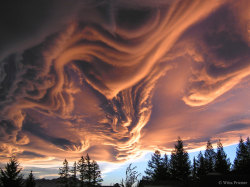
Fyeahastropics: Asperatus Clouds Over New Zealand(Via Apod; Image Credit &Amp;Amp; Copyright: Witta Priester ) What Kind Of Clouds Are These? Although Their Cause Is Presently Unknown, Such Unusual Atmospheric Structures, As Menacing As They Might
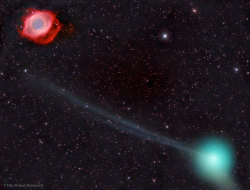
Fyeahastropics: Comet Panstarrs And The Helix Nebula(Via Apod; Image Credit &Amp;Amp; Copyright: Fritz Helmut Hemmerich )&Amp;Gt; It’s Rare That Such Different Objects Are Imaged So Close Together. Such An Occasion Is Occurring Now, Though, And Was
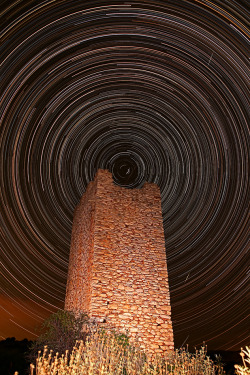
Fyeahastropics: The North Celestial Tower(Via Apod; Image Credit &Amp;Amp; Copyright: Anthony Ayiomamitis (Twan) ) If You Climbed To The Top Of This 13Th Century Stone Tower, It Looks Like You Could Reach Out And Touch The North Celestial Pole, The
Fyeahastropics: A Huge Solar Filament Erupts(Via Apod; Video Credit: Nasa’s Gsfc, Sdo Aia Team ) Filaments Sometimes Explode Off The Sun. Featured, A Huge Filament Had Been Seen Hovering Over The Sun’s Surface For Over A Week Before It
Fyeahastropics: The Keyhole In The Carina Nebula(Via Apod; Image Credit: Nasa, Hubble Heritage (Aura/Stsci) ) The Dark Dusty Keyhole Nebula Gets Its Name From Its Unusual Shape. The Looping Keyhole, In This Featured Classic Image By The
Fyeahastropics: Aurora Over White Dome Geyser(Via Apod; Image Credit &Amp;Amp; Copyright: Robert Howell ) Sometimes Both Heaven And Earth Erupt. Colorful Aurorae Erupted Unexpectedly A Few Years Ago, With Green Aurora Appearing Near The Horizon And
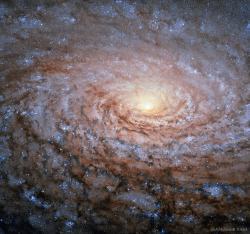
Fyeahastropics: M63: The Sunflower Galaxy From Hubble(Via Apod; Image Credit: Esa, Nasa, Hubble ) One Of The Bright Spiral Galaxies Visible In The North Sky Is M63, The Sunflower Galaxy. M63, Also Catalogued As Ngc 5055, Can Be Found With
Humanoidhistory:see That Little Black Dot On The Left? That’s Planet Mercury In Transit Across The Face Of Our Humongous Sun. Observed By Howard Brown-Greaves. Via Nasa/Apod.
Humanoidhistory: Close-Up Views Of The Lagoon Nebula, Aka M8, A Giant Insterstellar Cloud In The Constellation Sagittarius. Fun Fact: It Was Discovered In 1654 By Italian Astronomer Giovanni Hodierna. (Nasa/Apod)
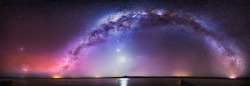
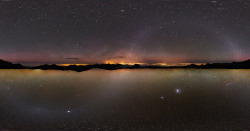
Humanoidhistory: The Central Band Of The Milky Way Galaxy Observed In Laguna Cejar In Salar De Atacama, Northern Chile. Photography By Nicholas Buer. (Apod/Nasa)
Amq: Aurora Over Norway (Apod) | Max Rive
Gunsandposes-History: The Eagle Nebula, Observed With The 0.9-Meter Telescope At Kitt Peak, Arizona. (Nasa/Apod)
The-Science-Llama: Hurricanes/Typhoons Viewed From Space Typhoon Nabi - September 3, 2005 Hurricane Emily - July 17, 2005 Hurricane Dean - August 18, 2007 Hurricane Ivan (Apod)- September 11, 2004 Hurricane Emilia - July 2012 Typhoon Yuri - November
The-Science-Llama: Hurricanes/Typhoons Viewed From Space Typhoon Nabi - September 3, 2005 Hurricane Emily - July 17, 2005 Hurricane Dean - August 18, 2007 Hurricane Ivan (Apod)- September 11, 2004 Hurricane Emilia - July 2012 Typhoon Yuri - November
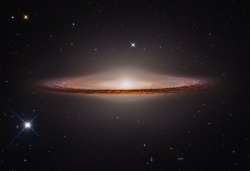
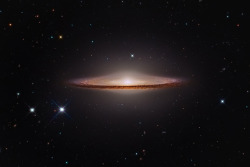
Humanoidhistory: Behold M104, The Sombrero Galaxy, Courtesy Of Nasa, Eso , Naoj, Giovanni Paglioli With Processing By R. Colombari.(Nasa/Apod)
Humanoidhistory: Behold Ngc 6357, “Cathedral To Massive Stars.” Credit: Nasa, Esa And Jesús Maíz Apellániz (Iaa, Spain). (Nasa/Apod)
Humanoidhistory: See That Little Black Dot On The Left? That’s Planet Mercury In Transit Across The Face Of Our Humongous Sun. Observed By Howard Brown-Greaves. Via Nasa/Apod.
Astronomy-Is-Awesome: Nebula Images: Http://Nebulaimages.com/ Astronomy Articles: Http://Astronomyisawesome.com/ #Astronomy #Apod #Space #Nasa
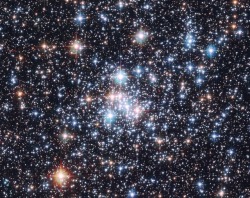
Traverse-Our-Universe: Open Cluster Ngc 290: A Stellar Jewel Box Via Apod/Nasa; Credit: Esa &Amp;Amp; Nasa; Acknowledgement: E. Olszewski (U. Arizona)
Assubtleasasplinter: 144/156 Source: Apod This Picture Is Taken From A Composite Of Two Halves Of The Night Sky On Opposite Sides Of The Globe. The Bands Spiraling Out Are The Arms Of The Milky Way From Our Perspective.
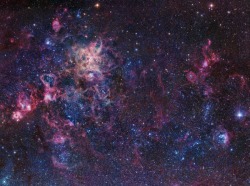
Vertigoheadspace: More Apod Site Comparisons: 1) The Tarantula Zone By Robert Gendler Apr. 26, 2008 2) The Cosmic Web Of The Tarantula Nebula By Joseph Brimacombe Nov. 11, 2008 3) In The Heart Of The Tarantula Nebula By Esa, Nasa, Eso, Danny
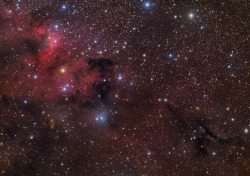
Fyeahastropics: The Light, The Dark, And The Dusty(Via Apod; Image Credit &Amp;Amp; Copyright: Herbert Walter, Cedic Team ) This Colorful Skyscape Spans About Three Full Moons (1.5 Degrees) Across Nebula Rich Starfields Along The Plane Of Our Milky
Sagansense: The-Science-Llama: Hurricanes/Typhoons Viewed From Space Typhoon Nabi - September 3, 2005 Hurricane Emily - July 17, 2005 Hurricane Dean - August 18, 2007 Hurricane Ivan (Apod)- September 11, 2004 Hurricane Emilia - July 2012 Typhoon
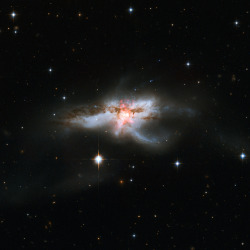
Fyeahastropics: Ngc 6240: Merging Galaxies(Via Apod; Image Credit: Nasa, Esa, Hubble Heritage (Stsci / Aura), A. Evans (U. Virginia / Nrao / Stony Brook U.) ) Ngc 6240 Offers A Rare, Nearby Glimpse Of A Cosmic Catastrophe In Its Final Throes.
Chmod666: Apod: Explanation: Http://Ift.tt/1Yyjry6
Astrowhat: Apod: 10 Years Of The Perseid Meteor Shower.
Wonders-Of-The-Cosmos: Galaxy M74 (Via Apod)
Wonders-Of-The-Cosmos: M104: The Sombrero Galaxy (Apod)
Inothernews: It’s All Eek To Me Last Night’s A Full Moon, Seen Over The Parthenon In Athens, Greece Earlier This Year. (Photo: Anthony Ayiomamitis / Twan Via Nasa Apod) (H/T To Fellow Tumblrers Idroolinmysleep And Krispayne For The Corrections!)
The-Science-Llama: Hurricanes/Typhoons Viewed From Space Typhoon Nabi - September 3, 2005 Hurricane Emily - July 17, 2005 Hurricane Dean - August 18, 2007 Hurricane Ivan (Apod)- September 11, 2004 Hurricane Emilia - July 2012 Typhoon Yuri - November
The-Science-Llama: Hurricanes/Typhoons Viewed From Space Typhoon Nabi - September 3, 2005 Hurricane Emily - July 17, 2005 Hurricane Dean - August 18, 2007 Hurricane Ivan (Apod)- September 11, 2004 Hurricane Emilia - July 2012 Typhoon Yuri - November
Specialformany: Skythe International Space Station Crosses In Front Of The Mooncredit: Andrew Mccarthydate: 2020 October 14, 9:32 Am Pacificfrom: Elk Grove, California, Usa Https://Www.facebook.com/Apod.sky/Photos/A.231356626968564/3060659197371612/
The-Science-Llama: Hurricanes/Typhoons Viewed From Space Typhoon Nabi - September 3, 2005 Hurricane Emily - July 17, 2005 Hurricane Dean - August 18, 2007 Hurricane Ivan (Apod)- September 11, 2004 Hurricane Emilia - July 2012 Typhoon Yuri - November
PAGE 12
PAGE 14
Apod clips
contact
© 2007-2021 www.adulthis.com